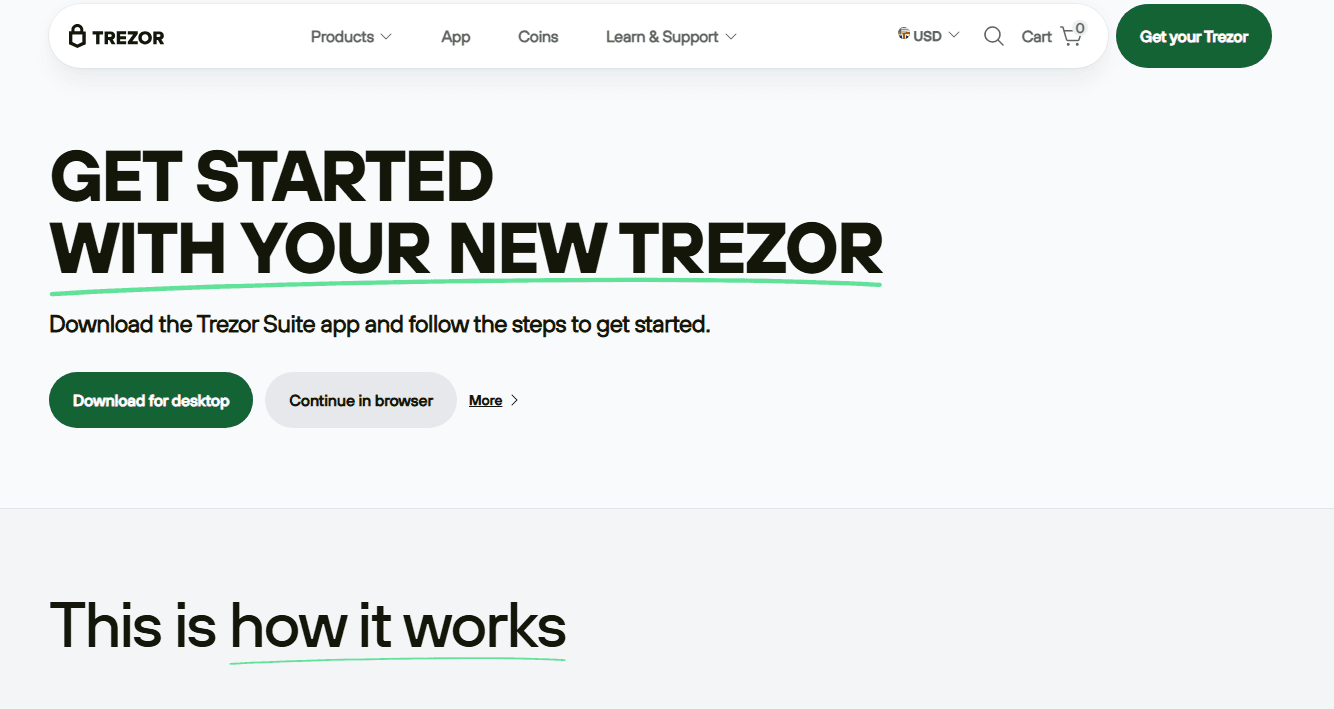
Trezor Login: Secure Access to Your Cryptocurrency Wallet
Trezor Login is the official process for accessing your Trezor hardware wallet. It combines security, ease of use, and self-custody principles, allowing users to manage cryptocurrency accounts safely while ensuring that private keys remain offline. Whether you are checking balances, sending transactions, or managing multiple accounts, Trezor Login provides a secure and reliable environment for handling digital assets.
Managing cryptocurrency requires more than simply opening a software application. Trezor Login integrates the security of a hardware wallet with a user-friendly interface, guiding users to safely interact with their assets, maintain control over private keys, and follow best security practices.
What Is Trezor Login?
Trezor Login is the process of authenticating a Trezor hardware wallet to access cryptocurrency accounts through Trezor Suite. Unlike software wallets, Trezor ensures that private keys remain on the device, never exposed to online threats. The login process establishes a secure connection between the device and the interface, allowing users to view balances, manage accounts, and approve transactions securely.
Every step of Trezor Login is designed to protect digital assets from unauthorized access, phishing attacks, malware, and other online risks, while teaching users the responsibilities of self-custody.
Why Secure Login Matters
The login process is critical for maintaining control over cryptocurrency. A compromised login, insecure environment, or failure to authenticate properly can result in loss of funds. Trezor Login provides a structured, secure approach to ensure that users access their wallets safely and protect their private keys at all times.
Following the official login process ensures device authenticity, proper authentication, and secure management of all cryptocurrency assets.
Preparing for Trezor Login
Before logging in, users should have their Trezor hardware wallet, the recovery seed securely stored, and Trezor Suite installed on a compatible computer or device. Preparing the device and environment reduces errors and strengthens security.
It is also important to verify the device’s authenticity and ensure that it is undamaged. A compromised or altered device can put assets at risk, making preparation a crucial step in secure login.
Connecting Your Device
Trezor Login begins with connecting the hardware wallet to the computer or compatible device. This step establishes a direct, secure link between the Trezor wallet and Trezor Suite.
The hardware wallet verifies the connection to ensure no unauthorized device can access private keys. This verification is a foundational security measure to maintain the wallet’s integrity.
Entering the PIN
A core feature of Trezor Login is entering the device PIN. The PIN is required to access accounts and protect the device from unauthorized access. The device displays randomized key positions during PIN entry to prevent observers from deducing the PIN.
Trezor Login ensures that the PIN is entered securely, protecting the wallet even in environments where others may attempt to monitor the process.
Accessing Cryptocurrency Accounts
Once authenticated, users can securely access cryptocurrency accounts through Trezor Suite. The interface provides a clear view of balances, transaction history, and account management options.
All transactions must be confirmed directly on the hardware wallet. This dual-step verification prevents malware or compromised devices from initiating unauthorized transactions, ensuring funds can only be moved with explicit user approval.
Self-Custody and Responsibility
Trezor Login emphasizes self-custody. Unlike custodial wallets, where a third party controls private keys, Trezor ensures that users retain full control over their cryptocurrency. With this control comes the responsibility to protect the device, PIN, and recovery seed.
The login process educates users on common threats such as phishing attacks, social engineering, and unsafe environments, helping them adopt secure practices for managing their assets.
Verifying Device Authenticity
Trezor Login includes steps to verify that the hardware wallet is genuine. Device verification ensures that the wallet has not been tampered with and complies with Trezor security standards.
This verification provides confidence that private keys remain protected and that all login actions are secure.
Managing Transactions Safely
After logging in, Trezor Login enables secure transaction management. Sending cryptocurrency requires reviewing details in Trezor Suite and confirming the transaction directly on the device. Users verify recipient addresses, amounts, and transaction fees on the wallet itself.
This approach ensures that transactions cannot be executed without the user’s explicit approval, protecting funds from unauthorized access or errors.
Long-Term Security Practices
Trezor Login promotes best practices for long-term security, including:
Storing the hardware wallet safely
Using trusted devices for login
Regularly updating firmware
Maintaining an offline backup of the recovery seed
Logging out from Trezor Suite after each session
Following these practices ensures that cryptocurrency assets remain protected over time.
Troubleshooting Login Issues
Trezor Login also provides guidance for common issues that may occur during authentication. Users may encounter connectivity problems, device recognition errors, or difficulties entering the PIN.
Step-by-step troubleshooting ensures that issues are resolved without compromising security or access to funds. Attention and care during problem-solving prevent potential security lapses.
Benefits of Using Trezor Login
Trezor Login offers numerous advantages:
Secure access to cryptocurrency accounts
Private keys remain offline at all times
Verified device authenticity
Guidance on self-custody and responsible management
Protection against phishing, malware, and unauthorized transactions
By following the official login process, users can manage their digital assets safely and confidently.
Comparing Trezor Login to Other Methods
Unlike web-based or custodial wallets, Trezor Login ensures that private keys never leave the hardware wallet. Other methods may expose sensitive information to online threats, while Trezor Login prioritizes security and control.
This makes it the safest method for cryptocurrency access, particularly for users committed to long-term security and self-custody.
Best Practices During Every Login Session
Users should follow these practices during each Trezor Login session:
Verify transaction details directly on the device
Avoid using public or untrusted networks
Ensure firmware is up to date
Store recovery seeds securely offline
Log out from Trezor Suite after completing tasks
Adhering to these practices minimizes risks and maintains the integrity of cryptocurrency holdings.
Conclusion
Trezor Login is the secure gateway to managing a Trezor hardware wallet. It combines device authentication, PIN verification, and transaction approval to provide maximum protection for digital assets.
By following the official login process, users ensure that private keys remain offline, assets are secure, and they maintain full control over cryptocurrency. Trezor Login not only provides secure access but also educates users on self-custody, long-term security, and responsible asset management.
Through Trezor Login, users can confidently manage multiple accounts, review balances, and conduct transactions knowing that their cryptocurrency is protected against unauthorized access and threats. By following best practices, Trezor Login ensures that digital assets remain safe while empowering users with complete control and security.