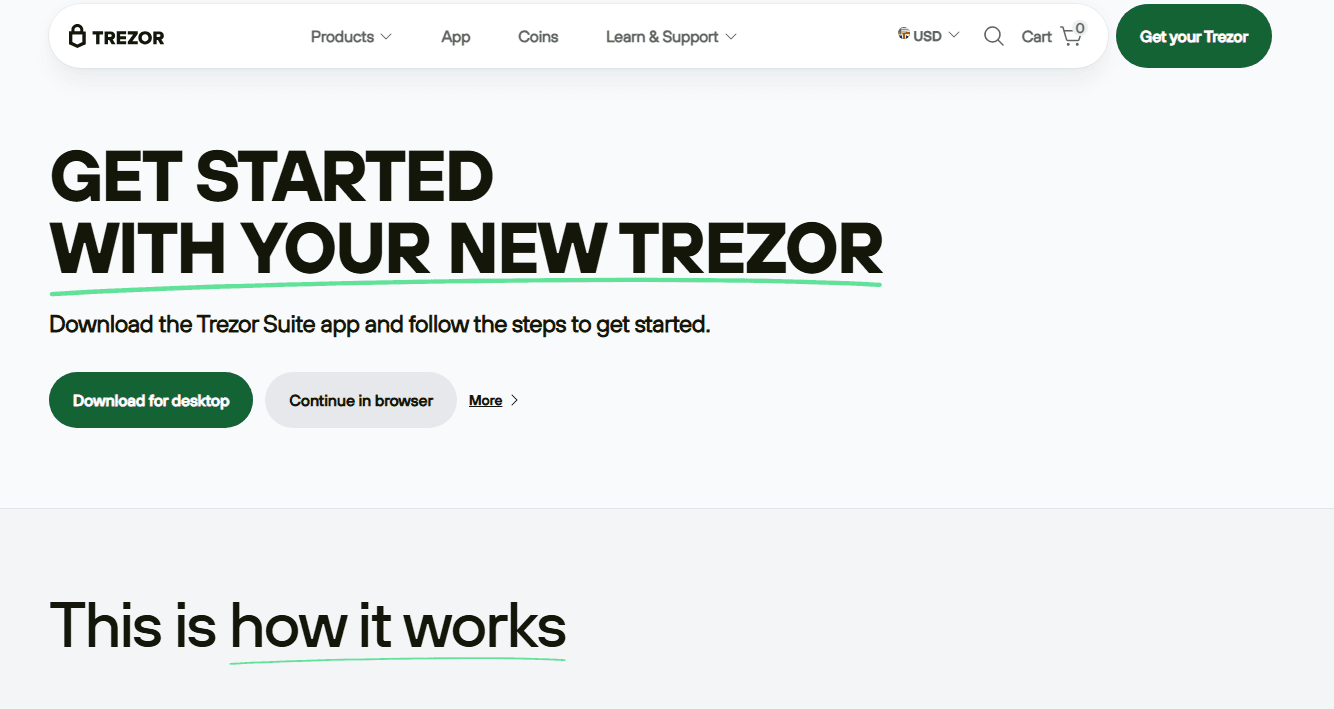
Trezor Login: Secure Access to Your Cryptocurrency
Trezor Login is the official gateway for accessing your Trezor hardware wallet. Designed to combine security with usability, it allows users to manage cryptocurrency accounts safely while ensuring that private keys remain offline. Whether you are checking balances, sending transactions, or managing multiple accounts, Trezor Login provides a secure and reliable environment for all your digital assets.
Managing cryptocurrency safely requires more than just opening a software interface. Trezor Login integrates the security of hardware wallets with a user-friendly interface, enabling users to interact with their assets securely, understand self-custody responsibilities, and follow best security practices.
Understanding Trezor Login
Trezor Login is the process of authenticating your Trezor hardware wallet to access cryptocurrency accounts through Trezor Suite. Unlike software wallets that store private keys on internet-connected devices, Trezor Login ensures private keys never leave the hardware device, minimizing the risk of online attacks.
During Trezor Login, the device establishes a secure connection with the interface, allowing users to view balances, manage accounts, and approve transactions safely. Every step in this process is designed to maintain security and protect assets.
Why Trezor Login Is Important
Secure access is essential for maintaining control over cryptocurrency assets. A compromised login process could lead to unauthorized access or loss of funds. Trezor Login provides a structured, secure approach to authentication, reducing risks and ensuring that users safely interact with their wallet.
Following the official Trezor Login process ensures that private keys remain secure, the device is authenticated, and users adopt proper security practices from the start.
Preparing for Login
Before logging in, users should have their Trezor device available, the recovery seed stored securely, and Trezor Suite installed on a computer or compatible device. Proper preparation reduces errors and prevents potential security issues.
Users should also inspect their device to ensure it is genuine and untampered. A compromised or damaged device can put assets at risk, making verification and preparation essential steps.
Connecting the Device
Trezor Login begins with physically connecting the hardware wallet to a computer or compatible device. This establishes a secure link between the device and Trezor Suite.
The hardware wallet verifies the connection to prevent unauthorized devices from accessing private keys. This initial connection is crucial to maintaining the integrity and security of the wallet.
PIN Entry and Device Authentication
One of the most important security features of Trezor Login is PIN authentication. The device requires users to enter a PIN to access accounts.
During PIN entry, the device displays randomized key positions, preventing onlookers from deducing the PIN pattern. This ensures that even if someone observes the login process, the wallet remains secure.
Accessing Cryptocurrency Accounts
Once authenticated, Trezor Login allows users to access cryptocurrency accounts securely. Trezor Suite provides a clear view of balances, transaction history, and account management features.
Every transaction must be confirmed directly on the hardware wallet, adding a layer of security that prevents malware or compromised computers from initiating unauthorized transfers.
Self-Custody and Responsibility
Trezor Login emphasizes self-custody, meaning users retain full control of their private keys. Unlike custodial services, where a third party manages assets, Trezor ensures that only the user can access and authorize transactions.
With self-custody comes responsibility. Trezor Login educates users about safeguarding their device, PIN, and recovery seed while avoiding phishing, social engineering, and other online threats.
Device Verification
Trezor Login includes a step to verify the authenticity of the hardware wallet. This confirmation ensures that the device has not been tampered with and meets Trezor’s security standards.
Device verification builds confidence that private keys are secure and the session is trustworthy.
Managing Transactions
After login, users can securely manage transactions. Sending cryptocurrency involves reviewing transaction details in Trezor Suite and confirming the transaction on the hardware wallet.
This two-step verification prevents unauthorized access and ensures that funds are transferred only with explicit approval. Users verify recipient addresses, amounts, and fees directly on the device, minimizing the risk of errors or fraud.
Long-Term Security Practices
Trezor Login encourages long-term security practices, including:
Keeping the hardware wallet physically secure
Using trusted devices and networks for login
Updating firmware regularly to maintain protection
Keeping the recovery seed stored securely offline
Logging out from Trezor Suite after use
These habits ensure that cryptocurrency assets remain protected over time.
Troubleshooting Login Issues
Trezor Login also provides guidance for common issues. Users may encounter problems such as device recognition errors, PIN entry challenges, or connectivity issues.
Following the official troubleshooting steps ensures that users can resolve problems without compromising security or access to funds.
Benefits of Trezor Login
Using Trezor Login provides several advantages:
Secure access to cryptocurrency accounts
Private keys remain offline and protected
Verified device authenticity
Guidance on self-custody and secure practices
Protection against phishing, malware, and unauthorized transactions
These benefits make Trezor Login a reliable and safe method for managing cryptocurrency.
Comparing Trezor Login to Other Methods
Unlike web-based wallets or custodial services, Trezor Login ensures that private keys never leave the hardware device. Other access methods may expose sensitive data to online threats, while Trezor Login prioritizes security and self-custody at every step.
This approach makes it the safest option for users who want full control over their cryptocurrency.
Best Practices During Login
To maintain security during every login session, users should:
Verify transaction details on the hardware wallet
Avoid using public networks or untrusted devices
Keep firmware up to date
Securely store the recovery seed offline
Log out from Trezor Suite after completing activities
Adhering to these practices reduces risks and ensures safe management of cryptocurrency.
Conclusion
Trezor Login is the secure gateway for accessing a Trezor hardware wallet. It combines device authentication, PIN verification, and transaction approval to provide maximum protection for cryptocurrency accounts.
Following the official login process ensures that private keys remain offline, assets are secure, and users maintain full control over their funds. Trezor Login not only provides secure access but also teaches users important self-custody and security practices.
By adhering to these procedures, users gain confidence in managing cryptocurrency safely and efficiently, protecting their digital assets from unauthorized access and potential threats. Trezor Login empowers users to take full responsibility for their cryptocurrency holdings, making it a critical step for long-term security and self-custody.